Water: The resilience of global trade to tariffs and whether it can do it again
Water: The resilience of global trade to tariffs and whether it can do it again
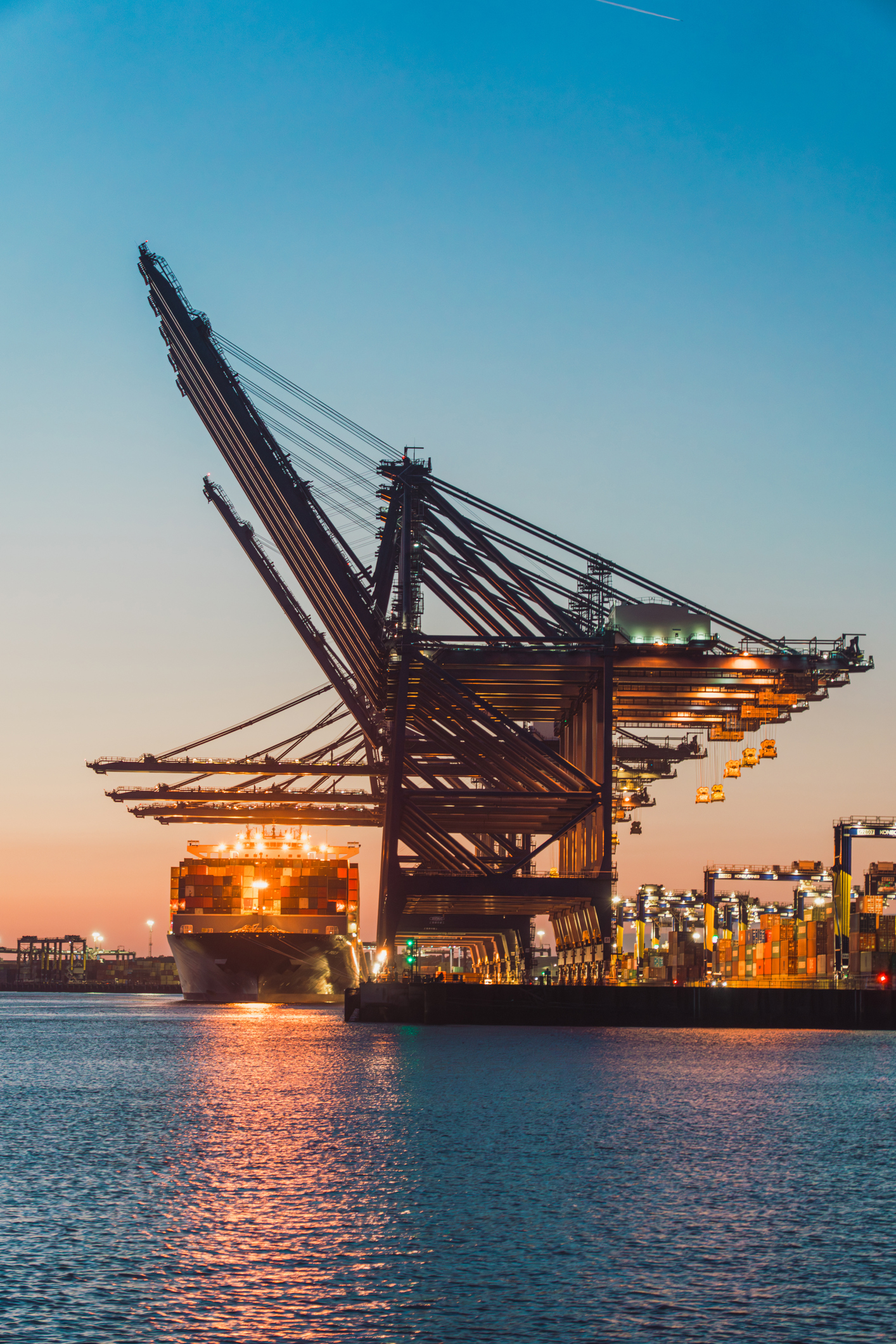

The actor and martial artist, Bruce Lee, philosophized on the essence of adaptability: "You put water into a cup, it becomes the cup. You put water into a bottle, it becomes the bottle." Block its path, and it still finds a way through.
Global trade has worked the same way.
With the conflict in Iran entering its fourth week, keeping the Strait of Hormuz effectively shut down after a full year of elevated US tariffs, the consensus narrative is that the global trade engine could be broken.
Two reports on trade out this past week suggest it is resilient, as it's more likely to re-direct than end.
The first is a trade outlook from the World Trade Organization. It found global goods trade grew 4.6% in 2025, not in spite of the tariffs, but through them.

The second is a recent report from McKinsey's Global Institute that further fills in the picture. Global shipments of AI-related hardware—chips, servers, networking equipment—surged 37% last year, including a 66% jump in the US alone. In short, the physical infrastructure of the AI buildout was the primary driver of the still strong trade volumes to the US in 2025.
The pattern underneath is also revealing. Yes, US imports from China plunged, particularly consumer goods hit by the highest tariff rates. But Chinese exports didn't collapse. They rerouted. Shipments of electric vehicles and industrial components shifted toward Europe and other emerging market countries. Chinese exports of intermediate inputs like memory chips rose 9%, fueled by countries building out their own supply chains.

Tariffs didn't shrink the pie. They changed who got which slice. This is consistent with what we've seen in past trade disruptions. Networks adapt. Supply chains rewire. The system bends rather than breaks but only as long as the shock hits one channel at a time.
That’s the critical distinction this time. The Strait of Hormuz is not one channel. Outside of oil, it also carries critical inputs for global agriculture, industrials, and healthcare, such as:
Fertilizer from Gulf producers, such as Qatar and Saudi Arabia that supply major agricultural producers like India, Thailand, and Brazil
Helium production from Qatar for Asia and Europe
It also powers the global economy. And prices are global.
There's a meaningful difference between a tariff shock and a supply shock like we have now. Tariffs raise the cost of one country's goods, so buyers find alternatives. They can also end as quickly as they begin. But a blocked strait raises the cost of everything that passes through it—energy, chemicals, and food—with fewer options to reroute. Vessel traffic through Hormuz has collapsed from roughly 300 crossings per week to near zero. The conflict looks like it's improving now but supply recovery will take quite a bit of time to recover. And that’s if we are truly at the start of the end. If not, we could see the first real fracture in a trade network that has proven remarkably adaptive.
As investors, we continue to focus on the 3 R’s: Receivers of infrastructure and AI-related capital spending, Resources that remain in demand regardless of geopolitical configuration, and Recoveries—trade-exposed and AI-exposed names beaten down by uncertainty that could benefit in a normalization scenario or improvements within their businesses let the water continue to flow.
The question of how much shock can be absorbed this time is key. As Bruce Lee also said: "Water can flow, or it can crash." Right now, global trade ex-energy is flowing and it’s still recoverable. But we're watching carefully and holding capital on the side for the future, whatever that is.