The non-renewable resource of time and a word on earnings season
The non-renewable resource of time and a word on earnings season
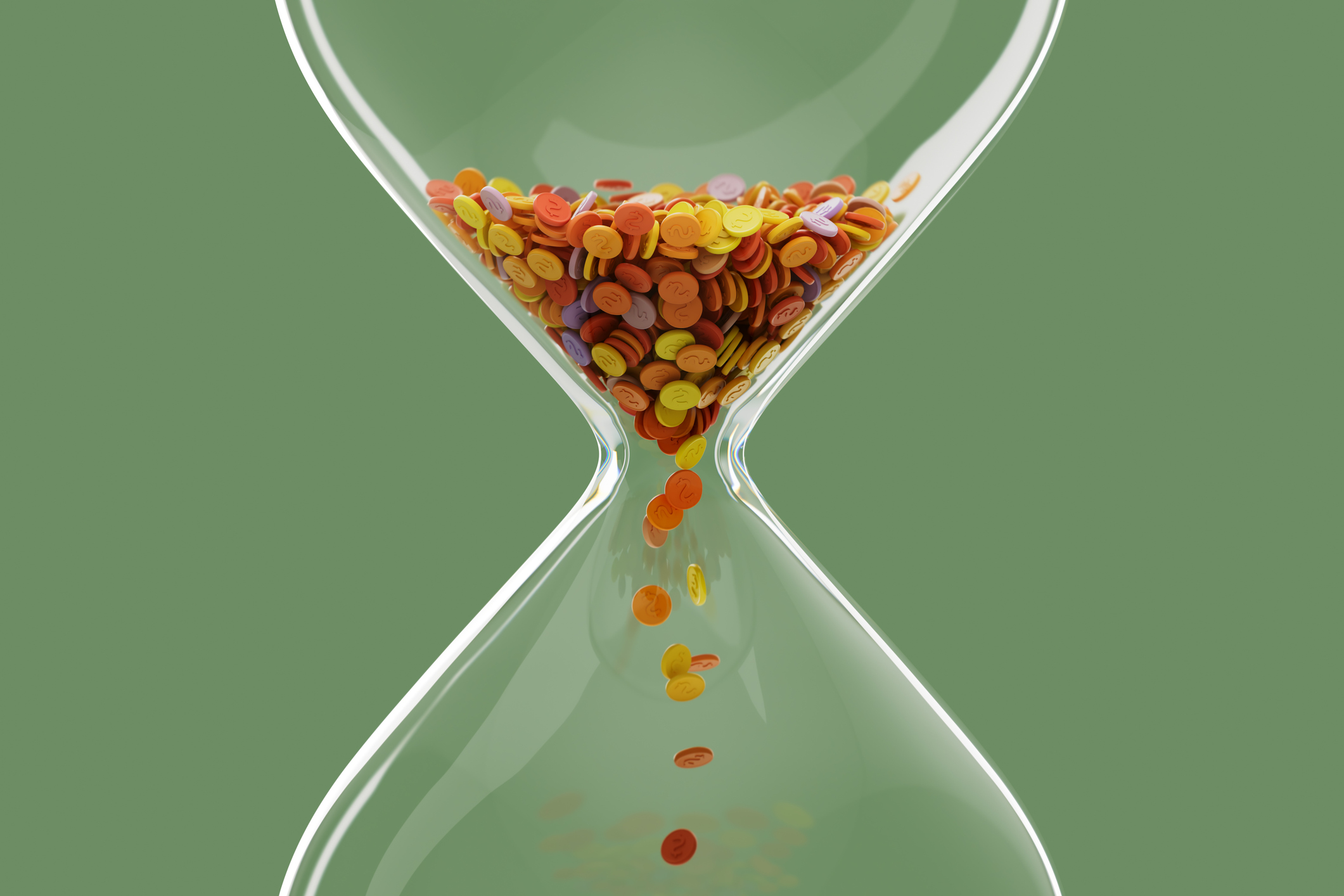

Time is flying, speeding up in fact, with my age. Lately when I'm asked what I need most at work and at home, it's more time.
More time to think. More time to consider another person's perspective rather than react. More time to read. More time to figure out what you really think. And more time to catch yourself present in a moment, marking it down in the halls of your brain as one to hold sacred.
Every morning I look at the tetris of my calendar wondering, is there anything I can drop for time? In advance, each live sync, to actually discuss the DM, seems important and I tend to not like (actually hate) letting people down. But looking back, there are always moments you could have cut—or as they say, “could have been an email.”
But why does it feel this way, whereas the seasons felt so long when I was younger?
According to a study in 2005 of people of all ages, psychologists from Ludwig Maximilian University of Munich, found two things:
The holiday paradox: Time from a prospective vantage, while an event is still occurring, feels faster than time from a retrospective one (after it has ended). New experiences tend to make time feel faster in the moment. But remembering it later will seem it lasted longer than more mundane experiences.
A shift in novelty: From childhood to early adulthood, we have many fresh experiences and learn new skills. But as adults, our lives become more routine. So, our early years tend to be relatively overrepresented in our autobiographical memory and, on reflection, seem to have lasted longer.
And lastly, because of proportionality. A year for a 5-year-old is 20% of their life, while a year for a 50-year-old is only 2% of their life, causing it to feel much faster.
I thought about the feeling of time for investors too.
For me, when something I bought goes down, time can feel like forever. My impatience grows and my inner thoughts, and our team, debate the right next move. When something goes up in value, it can feel quick. My inner thoughts become “wow, look what a right decision that was!” I’m slower to take a profit and our debate turns to whether this can keep going or if “we should not be greedy,” we like to say. To me, the lesson is to check your emotional response to the moves in your portfolio—”would you still make the same trade today?” is often the best question.
A word on Q4 ‘25 earnings reports:
For this week and next, 56% of the market cap of the S&P will report. Apple, Meta, and Microsoft are this week, to name a few.

Earnings growth is expected to be 8% for the quarter. With expectations of good numbers, the bar is high (as I mentioned in my 2026 outlook) and guidance for this year will be in focus. The tech and materials sectors have already seen a boost in earnings growth expectations for next quarter, while healthcare and energy sectors have seen their numbers drop. All in, It feels like a quarter that could put up good numbers but not be “good enough” in some places.
We also get the next Fed meeting on Wednesday, where they are largely expected to hold off on any rate changes (97% for Fed Futures, though I still believe there is a chance for a cut). What they say there, about the future of rates in light of the job market and inflation, what they are baking in on tariffs and what they believe about their own independence will be in focus.
Make sure you're careful on Fed day, when markets can be volatile starting from 2pm ET and you make the time to look at when your names are reporting earnings—before it goes by too quickly.