Beyond the ice: Why Greenland is another sign of regionalization
Beyond the ice: Why Greenland is another sign of regionalization
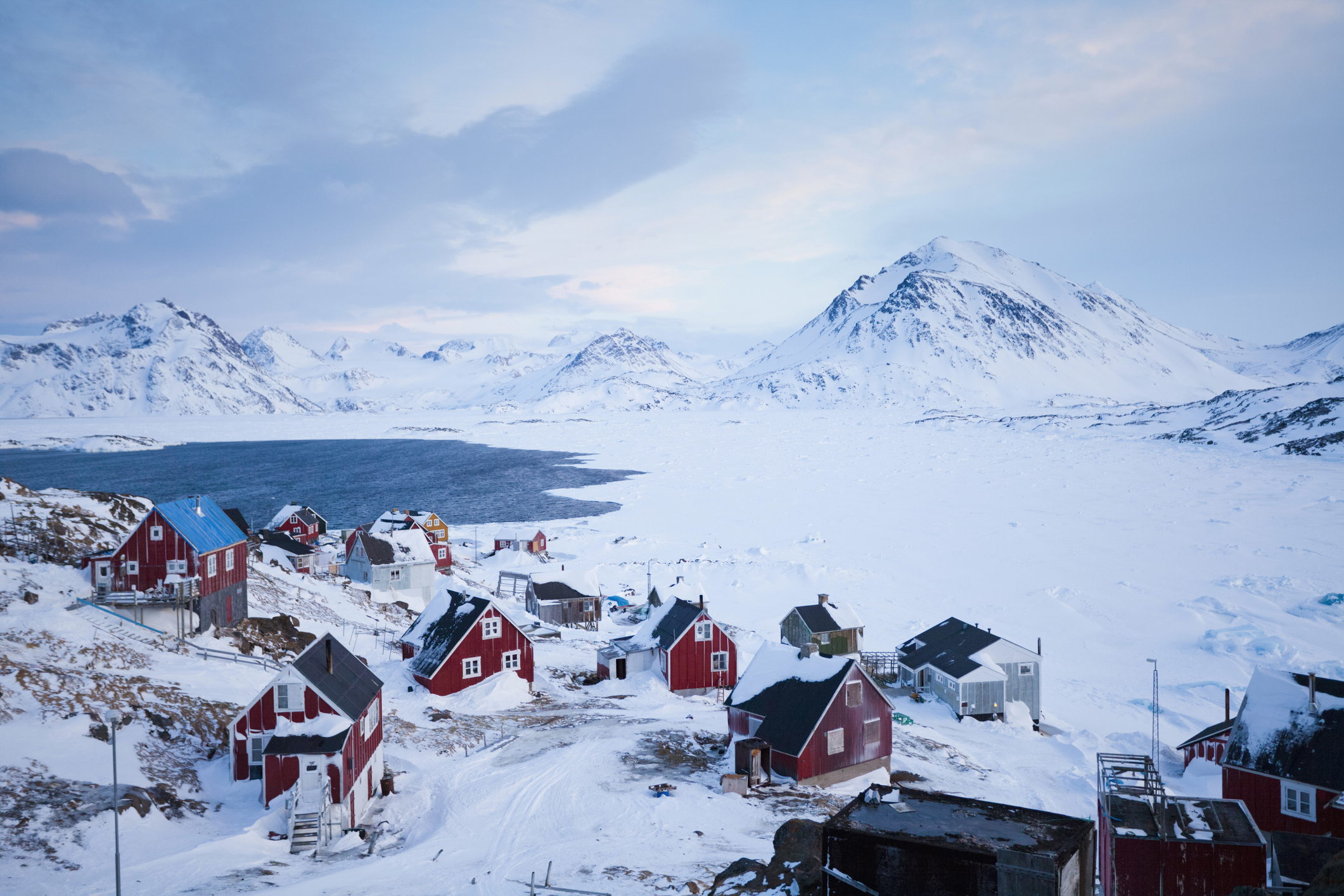

My kids and I are fascinated about the motivation for the names of Greenland and Iceland. Named the opposite of the truth by Vikings to entice and deter visitors, respectively.
Given now it’s not something you can hide behind in a world of satellites and AI, Iceland is a tourist destination and Greenland rarely makes headlines. Except now.
The United States first established a presence in Greenland during World War II. Germany had occupied Denmark and Greenland became a strategic North Atlantic outpost. Then during the Cold War, US investment peaked with tens of thousands of troops rotating through and radar systems tracking potential Soviet missile launches. Greenland became a critical early-warning node between North America and Eurasia.
By the 1990s, however, US troop levels collapsed from thousands to mere hundreds. Auxiliary bases were shut down, infrastructure was abandoned, and Greenland shifted into a “minimum footprint, maximum value” role for the US–focused on missile warning and space surveillance rather than large-scale military power.
But geography doesn’t age. And with a greater focus by the US on military power, Greenland is back in its sights.
Why?
At least one reason is because Greenland has coveted rare earth minerals. It’s estimated to have 1.5 million metric tons of rare earth oxides of proven reserves. This makes it ranked 8th in the world. But estimated reserves, under sheets of ice, are in the tens of millions of tonnes.
Notably, the US used to be the leader in mining rare earth metals. In fact until the 1990s, the US was the largest producer. Then it chose not to continue. At the time, they were treated as cheap commodities versus strategic assets. Globalization was on the rise, China heavily subsidized production and environmental regulations made it tougher to continue.

The US still has a lot to potentially mine—but processing is also a bottleneck. Rare earth value comes from separation and refining, versus extraction. The US has limited operations for that and even sends some out of the country for processing.
So Greenland is in focus for its possibilities, both for defense and tech, and to reduce reliance on China.
In fact, the likes of Jeff Bezos, Bill Gates, and other investors, are exploring deposits in Greenland as well. And Critical Metals Corporation, who operates a mine in southern Greenland, was funded and advised by Cantor Fitzgerald.
A few other things driving US interest in Greenland: its location relative to Russia and China, increased interest from China, and melting ice potentially opening up new shipping lanes.
Greenland’s story is a reminder that strategic assets don’t just attract capital—they attract pressure and there are larger shifts underway:
Globalization → Regionalization
Efficiency → Resiliency
Capital flows → Strategic alignment
We continue to view fiscal policy and these larger shifts as important for investors. That’s why we are still positive on rare earth metals, as well as the Aerospace and Defense and Industrial sectors. But for a bucket list vacation, we’ll still pick Iceland.