Speed Limit: What the bond market is saying
Speed Limit: What the bond market is saying
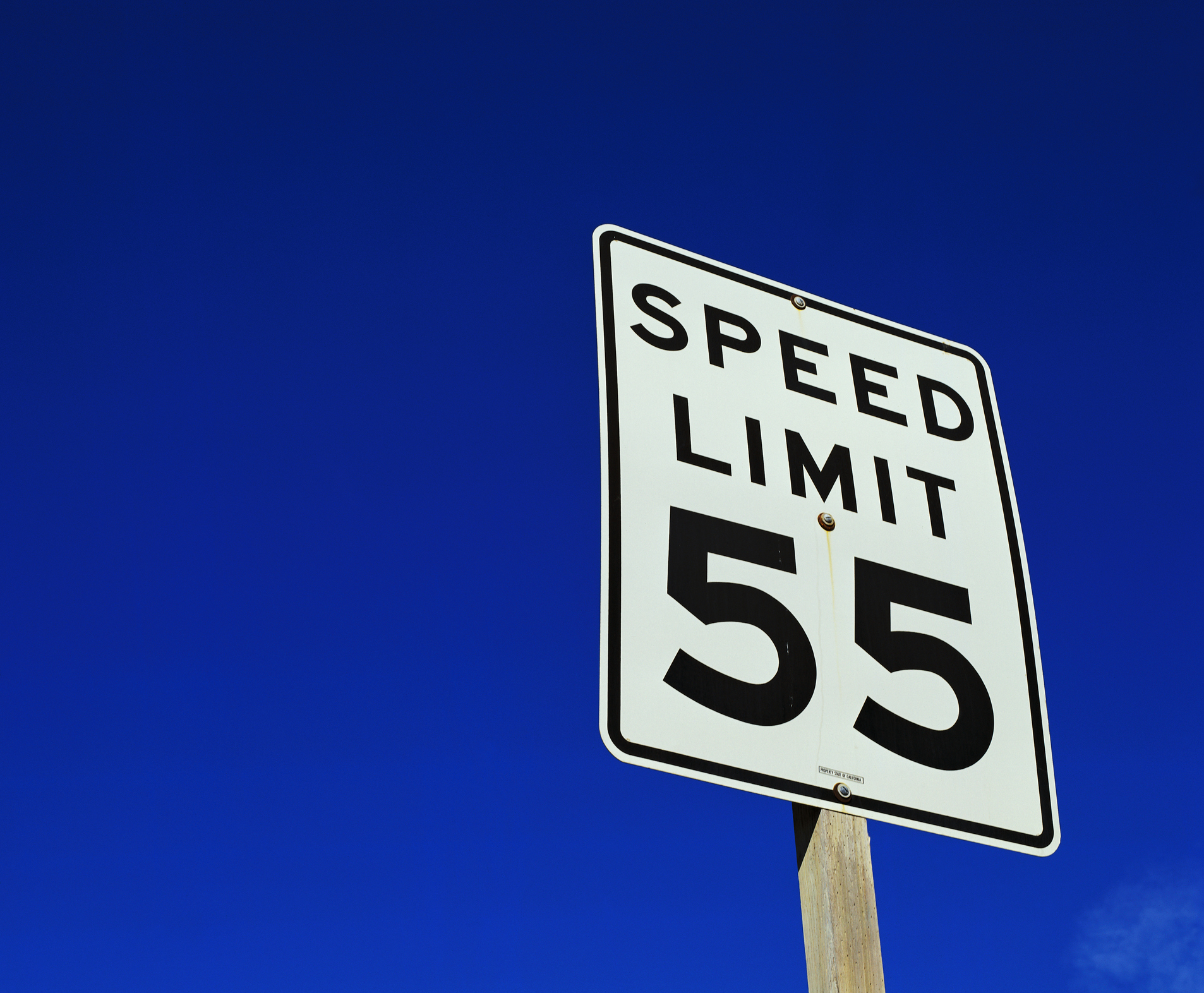

In 1974, oil prices quadrupled and gas lines stretched around the block. To reduce fuel consumption, the federal speed limit was lowered to 55 miles per hour. The idea was simple: slow down, burn less fuel, buy time.
Fifty-two years later, we've been watching the bond market react to something similar. While the stock market fell in value in March, the bond market has too.
The 2-year Treasury yield climbed close to 4% last week for the first time since June 2025, as energy prices increased. That matters because the Federal Reserve's current target range sits at 3.5%-3.75%. At the time, a 2-year yield above the policy rate meant one thing: the bond market thinks the Fed may need to increase their interest rates to slow things down.
For clarity, this is contrary to the two interest rate cuts that were expected at the start of the year. Futures markets had priced in a 20% chance of an increase by year end. This has since fallen to 5%, but it was 0% prior to the conflict starting in Iran. Prediction markets on Fed rates have also moved, showing mid-February a 62% probability of a cut in June to now a 5% chance of that.
The Chicago Fed's Austan Goolsbee recently acknowledged the possibility of rate hikes: "I could see circumstances where we would need to raise rates if it was going a different way, and inflation was getting out of control." That being said, Chair Powell maintained that hikes are "not the base case for the vast majority" of Fed officials.
So the bond market and the Fed are reading similar signs but changing their takes, at different times. This makes for volatility both in the stock and bond market.
We've seen dilemmas like this before. In the spring and summer of 2008, the global economy was slowing and oil prices were surging, a combination that forced central banks into an impossible choice. The European Central Bank, under Jean-Claude Trichet, raised rates in July 2008. With the benefit of hindsight, it left Europe exposed when the financial crisis hit that September. The Fed did not follow. But the situation forced the question: when you have inflation and a growth slowdown at the same time, which one do you fight?
That question is back.

The energy shock adds to the complexity, because it’s supply-side inflation, not demand-side inflation. Demand-side inflation comes from strong growth that gets overheated. This can more easily be curtailed by interest rate increases to slow demand. Supply-side inflation, from shocks to the supply chain, is tougher to heal through simple interest rate moves. It usually needs to be joined by fiscal policy.
JPMorgan's economists estimate that sustained oil at $100 per barrel through midyear would add roughly 0.8 percentage points to consumer prices this year, while shaving 0.6 points off global GDP growth. The math isn't catastrophic, but it's pointing to two things moving in the wrong direction simultaneously.
There’s another more nuanced point. One of the most underappreciated inputs to this debate is what economists call the "speed limit," the underlying rate at which the economy can grow without generating inflation. That number is set largely by productivity growth. Before Covid, trend productivity was running around 1.1% annually. Since then, it's revised up to approximately 2.1%. A faster speed limit means the economy can run hotter before triggering the inflation alarm. AI-driven efficiency gains are part of that story going forward.

But recent productivity and cost data from the Bureau of Labor Statistics, threw a wrench in the optimism. Unit labor costs were revised meaningfully higher, meaning wages rose faster than output. A faster speed limit doesn't help much if the car is burning oil faster too.
What does this mean for investors? We believe the rate direction is genuinely uncertain right now in a way it hasn't been in years — and the bond market's move deserves respect. The 2Y yield jumping 0.4% in three weeks, from 3.4% to 3.8%, is not just noise.
For portfolios, that argues for alot of caution on duration and an eye toward the sectors that historically navigate stagflationary periods better: energy, materials, companies with real pricing power. The 3 R's framework — Receivers, Resources, Recoveries — still applies, but Resources is earning more attention.
The 1974 federal 55 mph speed limit stayed in place for over a decade, even after energy prices started to cool. Not because everyone agreed it was right, but because nobody bothered to consider a change. Stay aware of your surroundings on your drive.