Valuable infrastructure just got more focus
Valuable infrastructure just got more focus
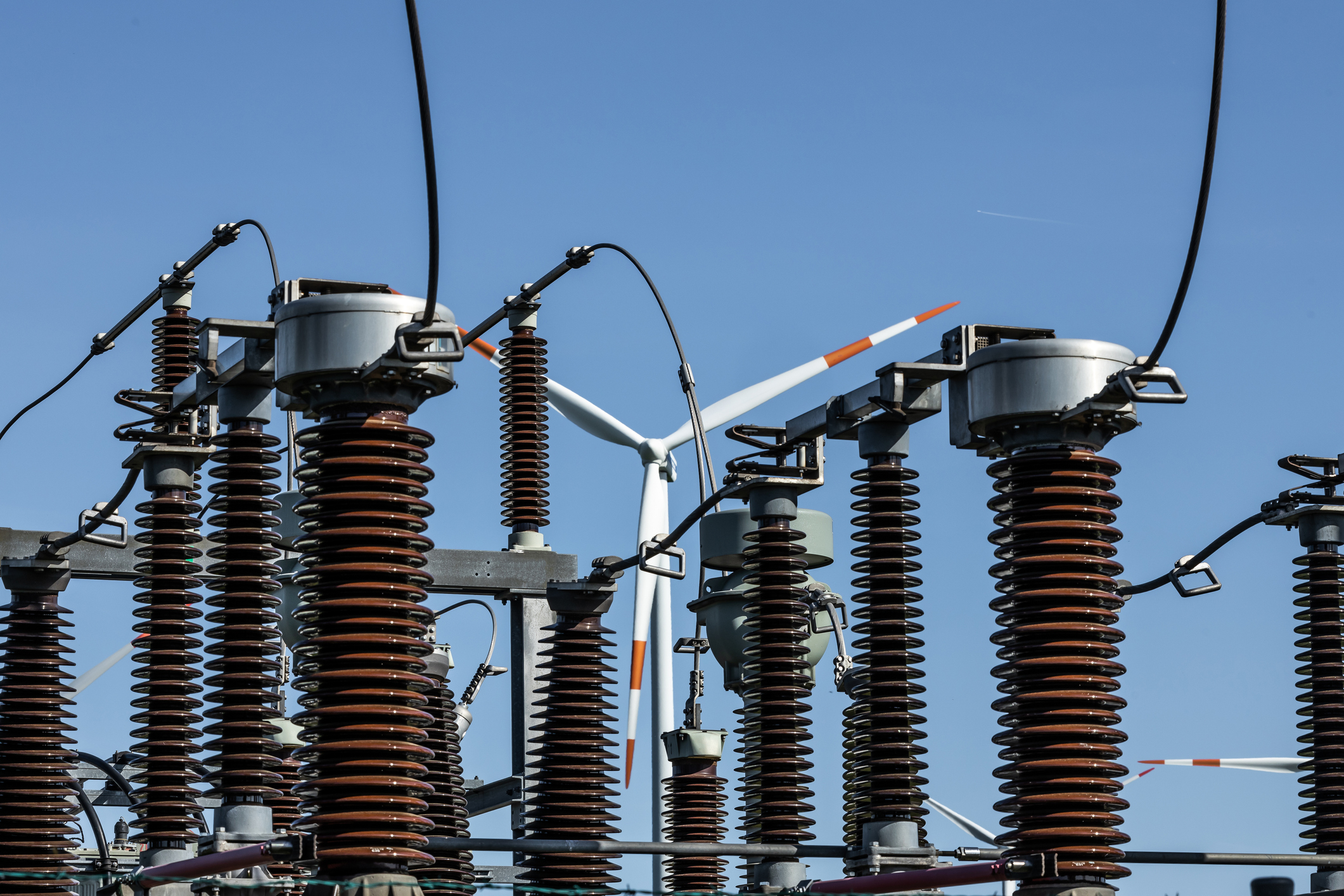

Last week, the US grid became a national defense priority as President Trump invoked Section 303 of the Defense Production Act of 1950 (DPA) to declare grid infrastructure (transformers, transmission lines, substations, and more), essential to national defense.
We think it’s important to know what that means, why it matters, and who may stand to benefit. We broke it down below:
What it does: The determination formally declares that grid infrastructure, including things like transformers, transmission lines, and conductors and electrical core steel, are "industrial resources, materials, or critical technology items essential to the national defense." It also waived the standard procedural hurdles under Section 303(a)(1)–(a)(6), meaning the Department of Energy (DOE) can move faster than normal DPA timelines allow.
Practically, Section 303 gives the Secretary of Energy authority to make direct purchases, loan guarantees, purchase commitments, and investments in domestic manufacturing capacity, without waiting for Congress to appropriate funds through the normal legislative process.
Now the order is not random. The US grid is dated and has been running on borrowed time for years. 70% of US transmission lines and power transformers are more than 25 years old.
As you may be able to tell from your own rising electric bill, demand for power transformers has surged 116% since 2019, driven by data centers, EV charging buildout, domestic manufacturing, and electrification. Supply has not kept up.
Domestic manufacturers currently meet only about 20% of US power transformer demand. The other 80% is imported, predominantly from Mexico, South Korea, and Canada, which has been hurt by tariffs. Wood Mackenzie estimates a 30% supply deficit in power transformers right now.

Lead times for large power transformers now average 128 weeks. Generator step-up units run even longer at 144 weeks. Some orders are taking up to four years.

One important caveat: The determination grants authority, it does not appropriate funds. The real test is whether or when, rather, this translates into committed purchase orders and loan guarantees. History shows that speed of deployment varies enormously by administration. But it's understood that there is not much time right now. More than half of US distribution transformers are already beyond their expected service life.
Essentially, this is not a typical infrastructure spending bill. Invoking the Defense Production Act, a wartime statute, signals that the grid supply chain is a genuine national security vulnerability, not just a policy priority. This framing allows the DOE flexibility to act fast, bypass procurement rules, and make binding commitments without waiting for appropriations.
For investors, the most direct plays are domestic grid equipment manufacturers with existing capacity constraints. The electrical steel angle is the lesser-known opportunity, but Grain-Oriented Electrical Steel (GOES) is explicitly named. There's essentially one domestic producer, and federal demand backstop changes the risk profile materially. In addition, Copper-related companies are the broadest commodity read across the entire order. All areas worth watching.