Load-bearing walls: When a few companies cap ex are holding up GDP
Load-bearing walls: When a few companies cap ex are holding up GDP
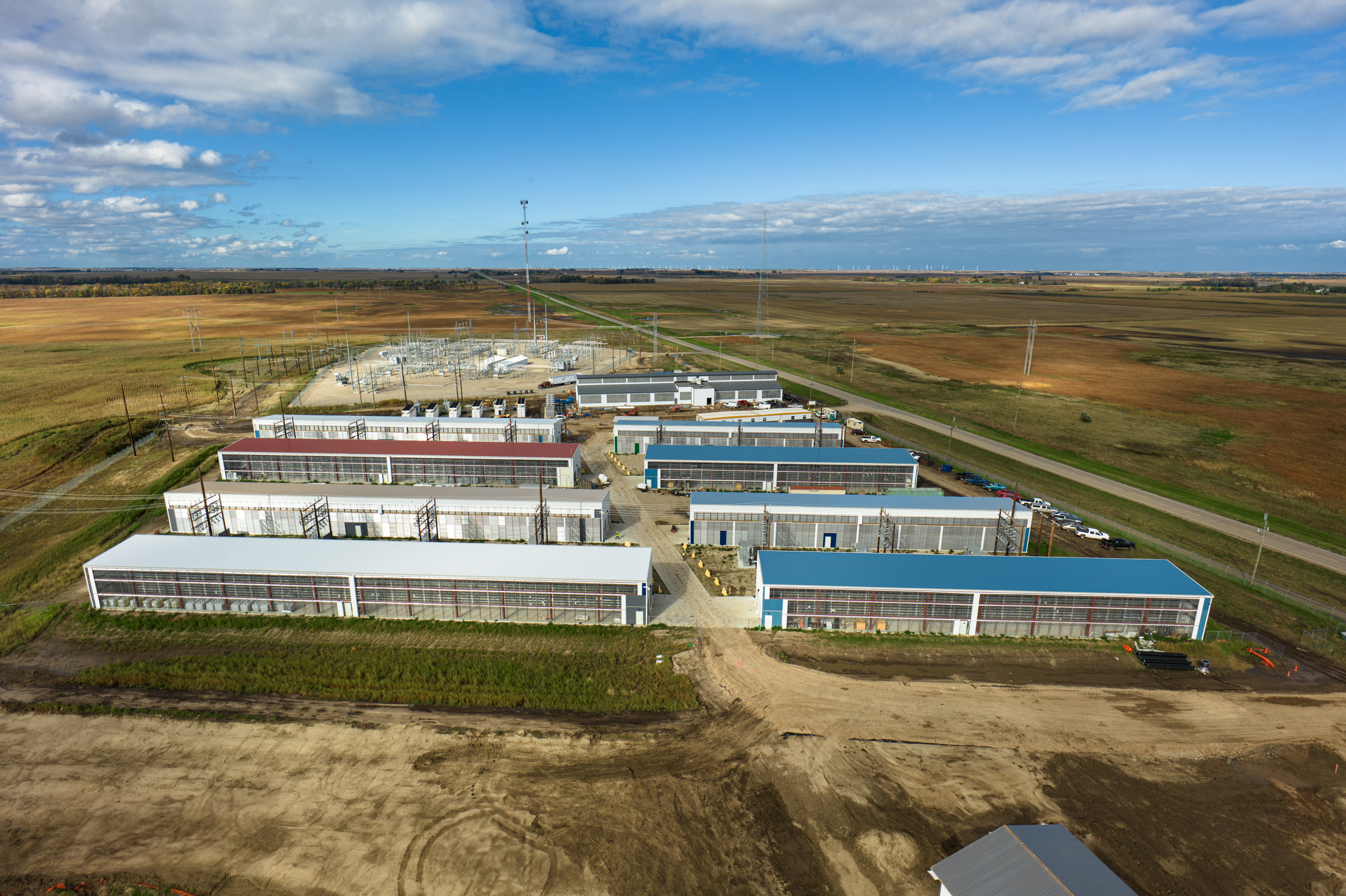

If you’ve ever tried to renovate a home, you know the concept of a load-bearing wall all too well. Try to turn a home into a more open space and you inevitably come to a point where you have to decide to spend major cash on shifting weight around or keep it in place and work around it. Simply removing it though, means the whole structure comes down. The tricky part is that from the outside, it looks just like any other wall.
The Q1 GDP report from last week has us thinking about which wall is actually holding up this economy.
US GDP grew at a 2% annualized rate in Q1 2026, just below the 2.2% consensus. The headline number is fine. And consumer spending, historically the economy's primary engine, rose at just 1.6%, down from 1.9% in Q4. But nonresidential fixed investment rose 10.4%. Historically, this difference is only seen right after a recession, when economic activity bounces back before the consumer.
This raises a question the market hasn't fully priced: what happens to growth if the AI CapEx cycle slows down or pauses?
The divergence between business investment and consumer spending is now structural enough to see in the data.

Four companies are doing a meaningful amount of the lifting. Microsoft, Alphabet, Meta, and Amazon combined for $410 billion in capital expenditures last year. They're projected to spend more than $750 billion in 2026 alone. Morgan Stanley estimates tech companies spending $2.9 trillion on data-center infrastructure through 2028. JPMorgan projects hyperscaler CapEx growth of +64% year-over-year for 2026.
But here's what the data forces us to ask: when four companies' capital budgets become the primary driver of nonresidential fixed investment, which becomes the primary driver of GDP, it causes the economy to develop a concentration risk that doesn't show up in any single market metric. It only shows up when you read the GDP report and the earnings reports together.
The infrastructure beneficiaries of this cycle, what we’ve been referring to as “the Receivers,” are names we're focused on across semiconductors, power equipment, and networking. They have already absorbed the current reality into their prices.
The risk isn't that the AI thesis is wrong. The risk is correlation. If this spending cycle decelerates, whether from a credit tightening, an inflation spike from higher energy and commodities costs, or simply a quarter where hyperscaler boards ask harder questions about returns, the GDP impact wouldn't be contained to tech. It could ripple through equipment suppliers, construction, power infrastructure, and the labor market simultaneously.
We're not calling a turn. The backlog data argues against it. But we are watching the concentration carefully, and ensuring we have some exposure to price spikes in commodities as well as some other areas of the market like healthcare.
After all, load-bearing walls don't announce themselves until someone starts renovating.