Sometimes I still miss my old prices
Sometimes I still miss my old prices
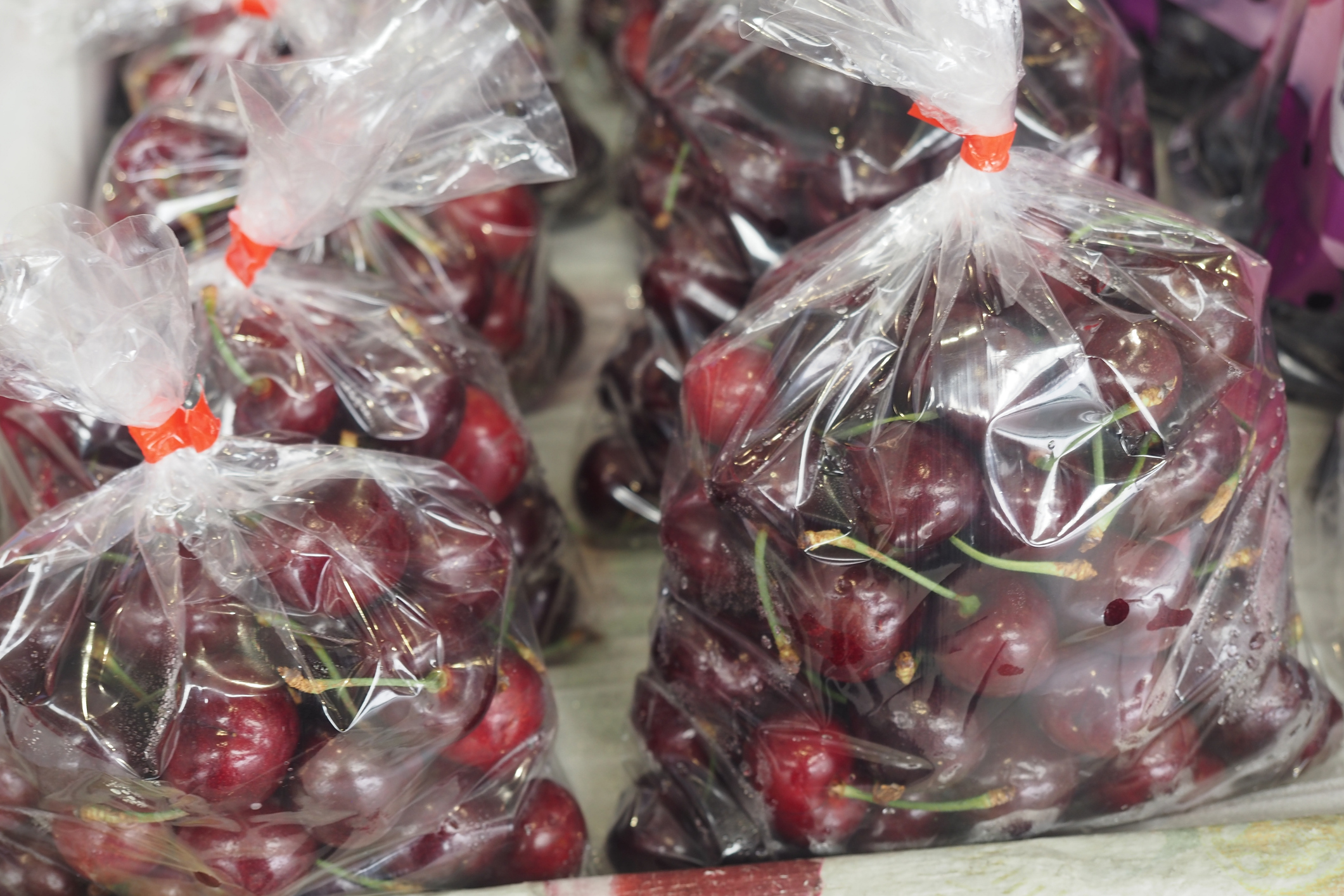

Several times a year, I think about how, during Covid, I went to a local restaurant-turned-market-to-survive, to pick up a few items, and had quite a shock after picking up a small bag of cherries. The person about to ring me up said, “I need to tell you these cherries are $30.” I promptly returned them to their place. While cherries aren’t $30 anymore, the experience makes me reminisce about prices before the pandemic. Like this chart does:

They may not have felt low at the time, but they were (in several places) relative to now. That’s the thing about inflation. It can slow so that prices rise more slowly, but you usually don’t get your old prices back. Prices don’t drop unless we get a recession that materially cuts demand. Lately, inflation data has been rising again, but largely in one area: energy.

While pumping and refining have increased here in the US, it has not so far been enough to offset global supply (vs. demand) lost from disruptions in the Middle East. At the moment, 3 areas of supply are getting much less out than they previously were. This has led to higher oil and diesel prices. The latter is actually at an all time high.

While the Fed focuses on “core” inflation, which excludes food and energy, it's becoming harder to ignore the knock-on effect higher energy prices can and do have on the rest of the economy and our wallets. The cost to ship goods, food, and energy increases. The cost to make things increases. And then the cost to go places also rises (airline prices are not lower). All eyes are on the Fed to do something about it now. The market is now largely expecting an increase in short term rates of another 0.25% to 0.50% this year. Many believe they have to act to “restore credibility and independence.” While that should not be the reason for a rate hike, the data above shows the economy could handle it and may be prudent.
But the 3 month rolling inflation numbers show things aren’t wild, relative to the last 10 years.

Rate hikes, at least extensively, seem like we would be trying to solve a problem with the solution for a different one. Rather, I believe our whole financial system is under pressure from rising costs, not just from oil, but from interest rates themselves. Much like the way energy powers the world, so does money. And the demand for it is getting to levels that are testing its limits—from both governments around the world, including our own, and global tech companies funding innovation.

Whether the Fed raises rates by a total of 0.5% or more this year, the pressure will still be there. Unlike $30 cherries.