Wages are rising, but prices are rising faster
Wages are rising, but prices are rising faster

A recent debate, live on CNBC, partially about the state of the consumer, had my opponent point to wage growth being solid. While he’s not wrong, it highlighted something to me.
Wage growth is only one side of the story. You need to look at real wage growth, after inflation, though.
The Atlanta Fed's Wage Tracker fell from 3.9% in March to 3.6% in April, the lowest reading since mid-2021. The Bureau of Labor Statistics (BLS) also reported year-over-year average hourly earnings growth of 3.6%.
Looking at inflation, CPI rose 3.8% year-over-year in April, up from 3.3% the prior month.
Putting the two together means real wages did not grow in April (3.6% less 3.8%), and in fact, turned negative for the first time in three years.

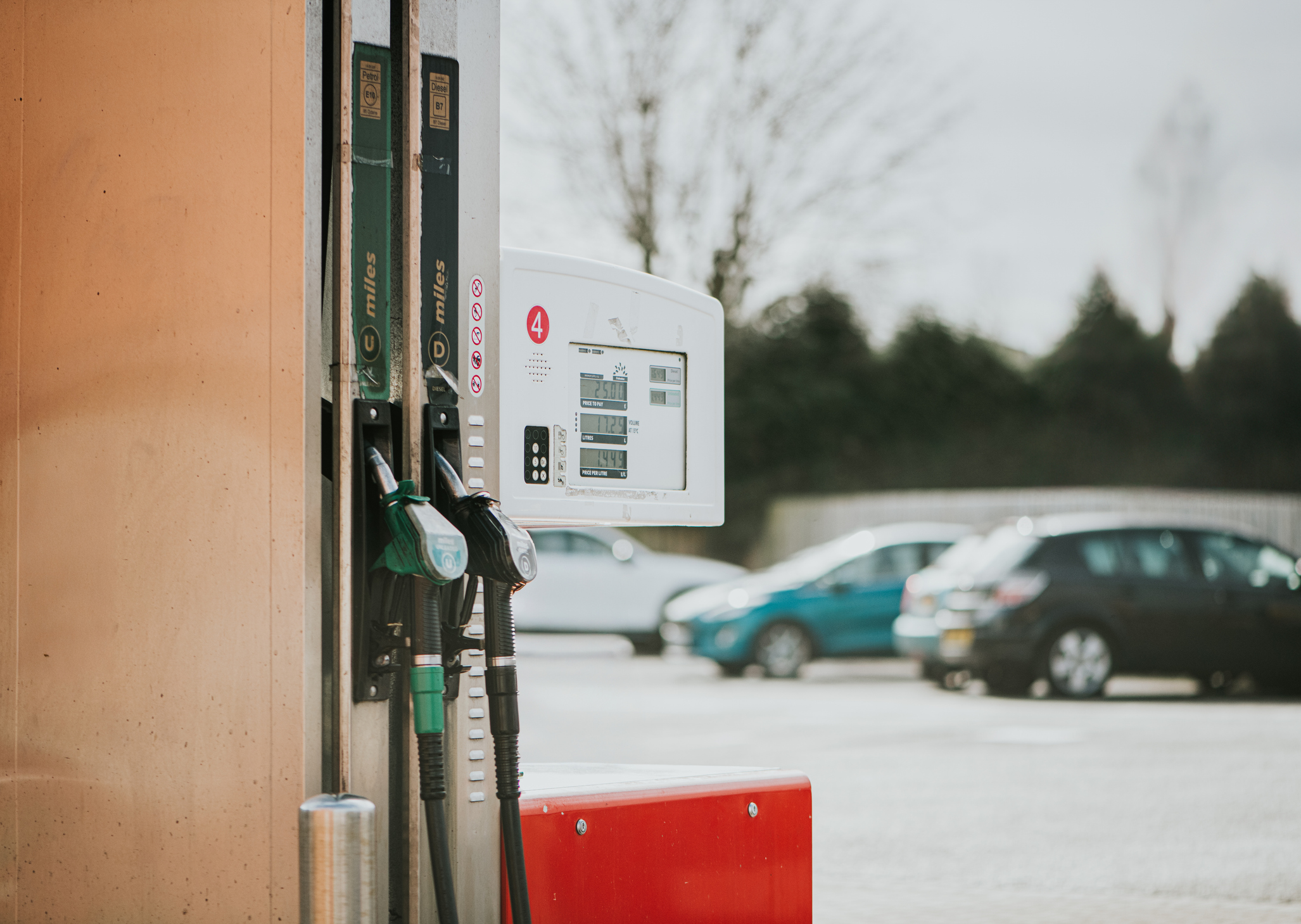
The gap between paychecks and prices shifted, mostly down to energy. Gasoline prices surged 21% in March—the largest single-month increase in its history since 1967—and are up 28% year-over-year through April per the BLS.

This factor has contributed to expectations for a Fed rate hike for the first time in a long time.

One important note: tax refund timing has likely propped up spending in April and early May. That seasonal tailwind fades in May and June, which means the underlying stress in the data may become more visible in the next two months of readings.
This all has three potential repercussions for the market.
Rising expectations of higher interest rates have the potential to hinder the market as a whole, especially as the largest companies have been borrowing more, on a global basis.
The drag on the consumer may increase, globally. Consumer-oriented stocks have already had a drag from tariffs and this may mean recoveries from that could be fleeting. We're generally focused on companies with pricing power and non-discretionary demand, where value-seeking behavior actually drives traffic.
Demand for gas from the consumer could start to drop, as they look to cut costs. Retail sales rose last month mostly from gas stations (up 2.8%), but otherwise retail sales were weak. This could follow as savings start to deplete (which is also happening). It could be an offset to the supply constraints, but depends on how much.
One thing that’s not a debate for us: there will be an impact.